



SYSU History
Let us embark on the journey of SYSU’s centenary history. Feel its unique charm.
{ CHAPTER 1 }
Establishment of the university
SECTION 01
The early years
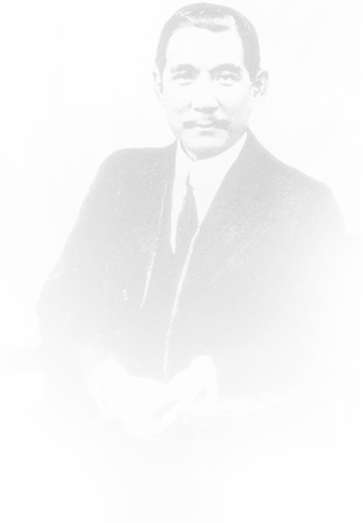
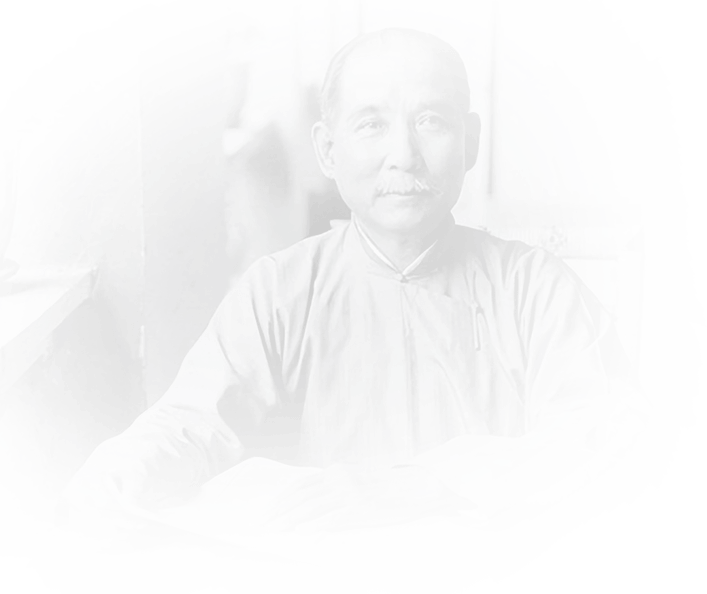
Talent is the foundation of the country. In this spirit, Dr. Sun Yat-sen ordered the merger of several colleges and universities in February 1924, into the National Guangdong University, which was renamed as National Sun Yat-sen University in his memory in August 1926. Thanks to Dr. Sun’s reputation and his revolutionary work in Guangzhou, the University soon attracted numerous scholars from home and abroad, and founded various research institutions that blazed the trail in fieldworks and empirical studies. They helped lay the foundation of a research university that has kept academic values as its core and embraced political values for practice.
SECTION 02
Striving for excellence
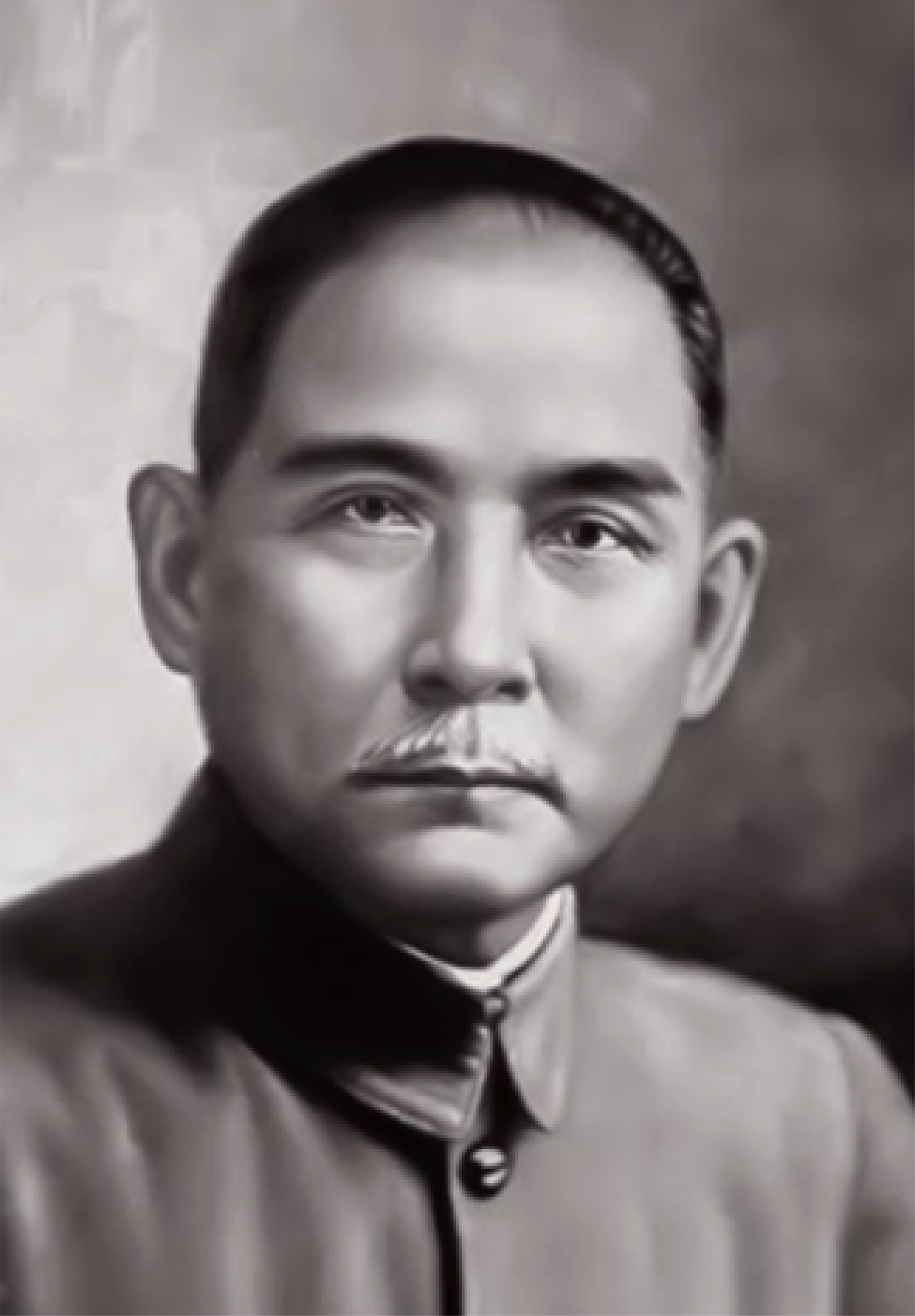
From 1932 to 1938, National Sun Yat-sen University developed rapidly, ranking among the top universities in China and earning recognition overseas. President Zou Lu built the new Shipai campus, the Research Institute, Teacher Training College, and College of Engineering. The University saw remarkable advancements in teaching, research, and community service. After the September 18th Incident in 1931, the University took the lead in preparing for the War of Resistance, carried out activities of resistance against Japanese aggression, and was known as the “headquarters for resistance against the Japanese aggression.”

SECTION 03
Relocation in the warring times
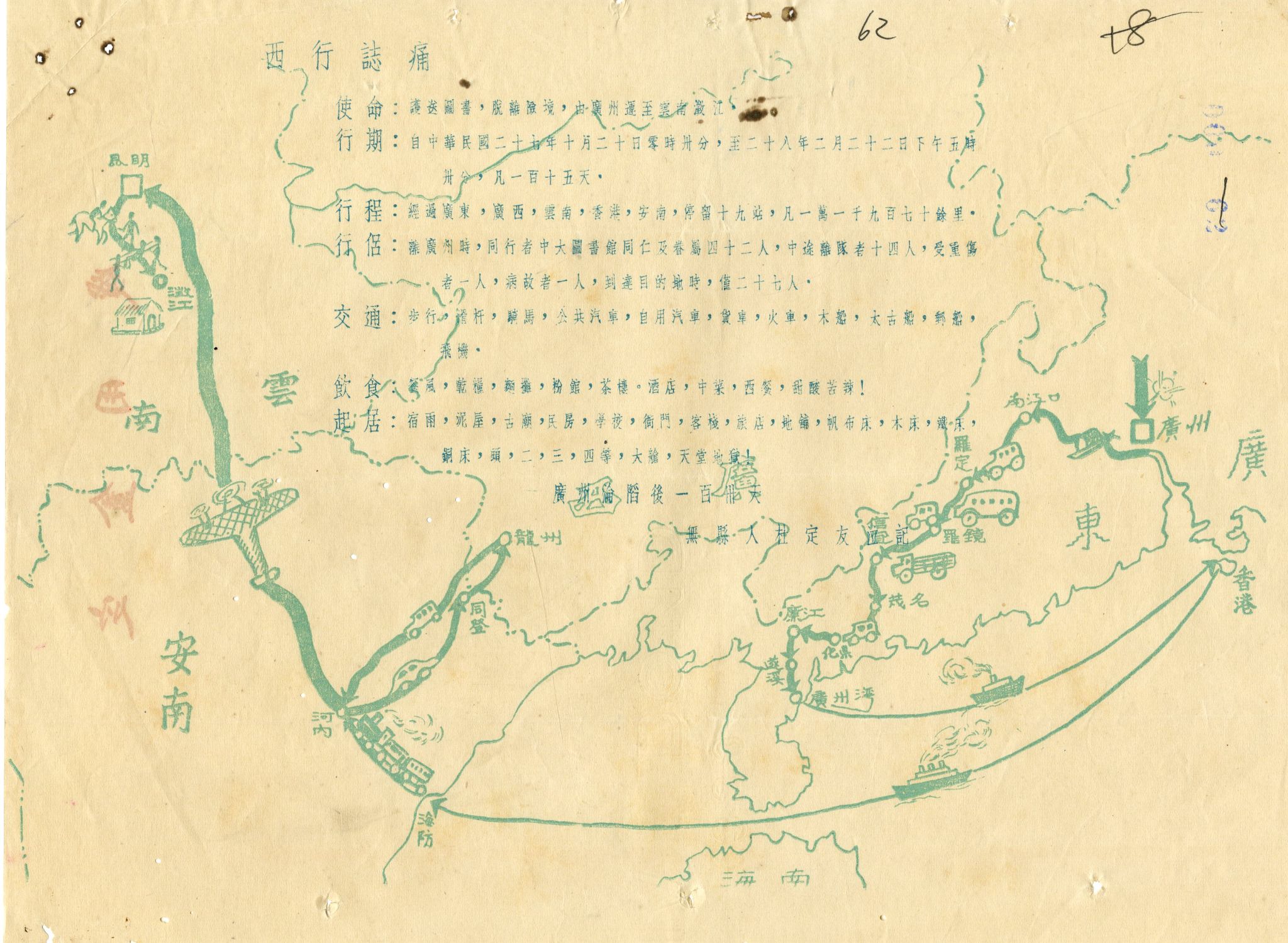
Since the outbreak of the War of Resistance against Japanese Aggression, the campus of National Sun Yat-sen University was heavily bombed repeatedly. Following the fall of Guangzhou to the Japanese in October 1938, the University relocated four times, but remained active in teaching and research even in remote areas, serving the communities, supporting the war efforts, and promoting higher education in China’s conditions.
SECTION 04
Returning to Guangzhou to herald the liberation
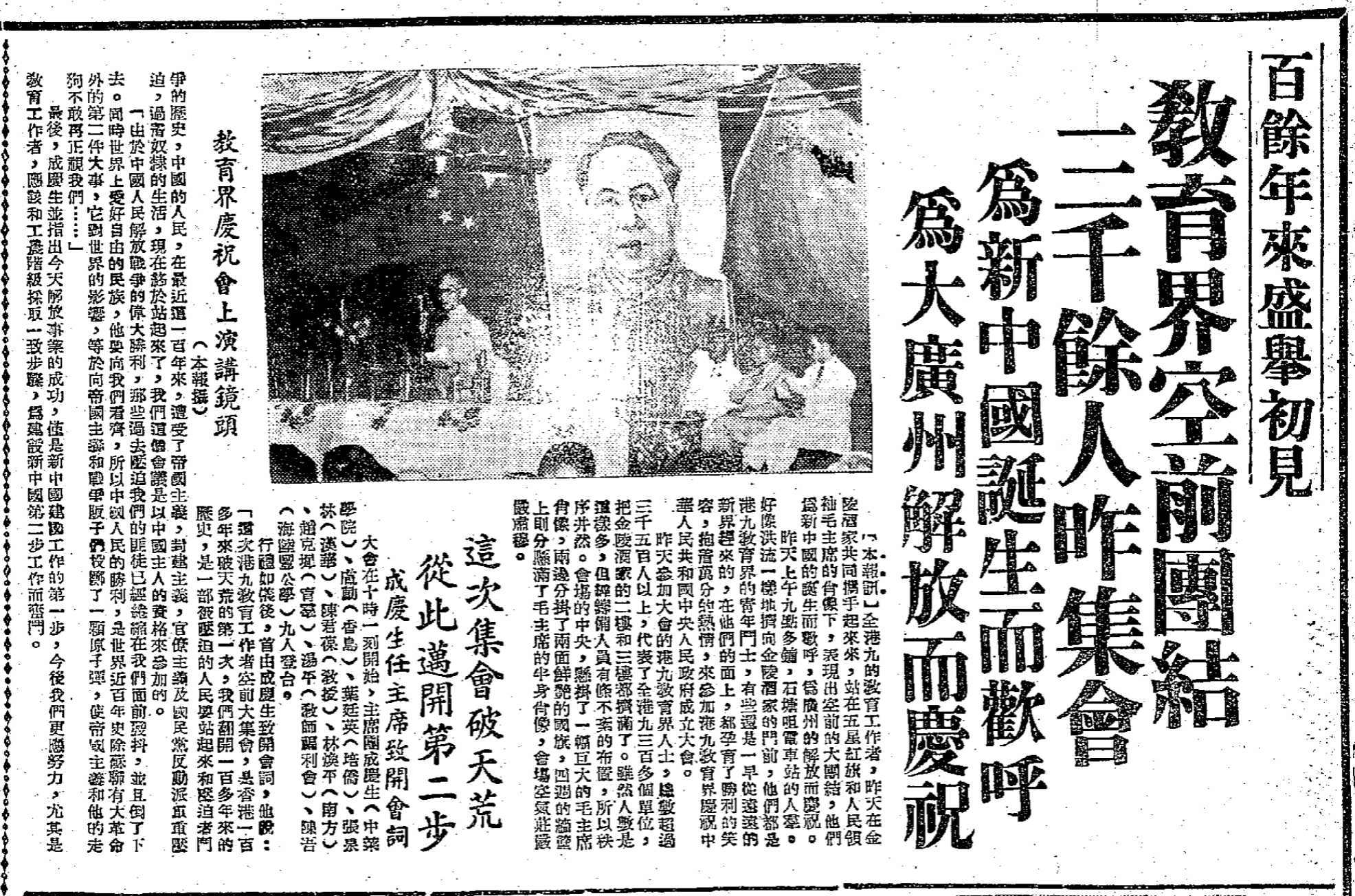
After the victory of the War of Resistance against Japanese Aggression in 1945, teachers and students of National Sun Yat-sen University returned to the war-torn campus in Guangzhou and restored the University to its former glory through renewals of disciplines and personnel. The University made great efforts in stopping Taiwan from breaking away, and resolving of the South China Sea Issue. The teachers and students actively participated in patriotic activities, safeguarding the university and contributing to the liberation of South China.
{ CHAPTER 2 }
Devotion to welfare of the people
SECTION 01
Orientation to people’s needs
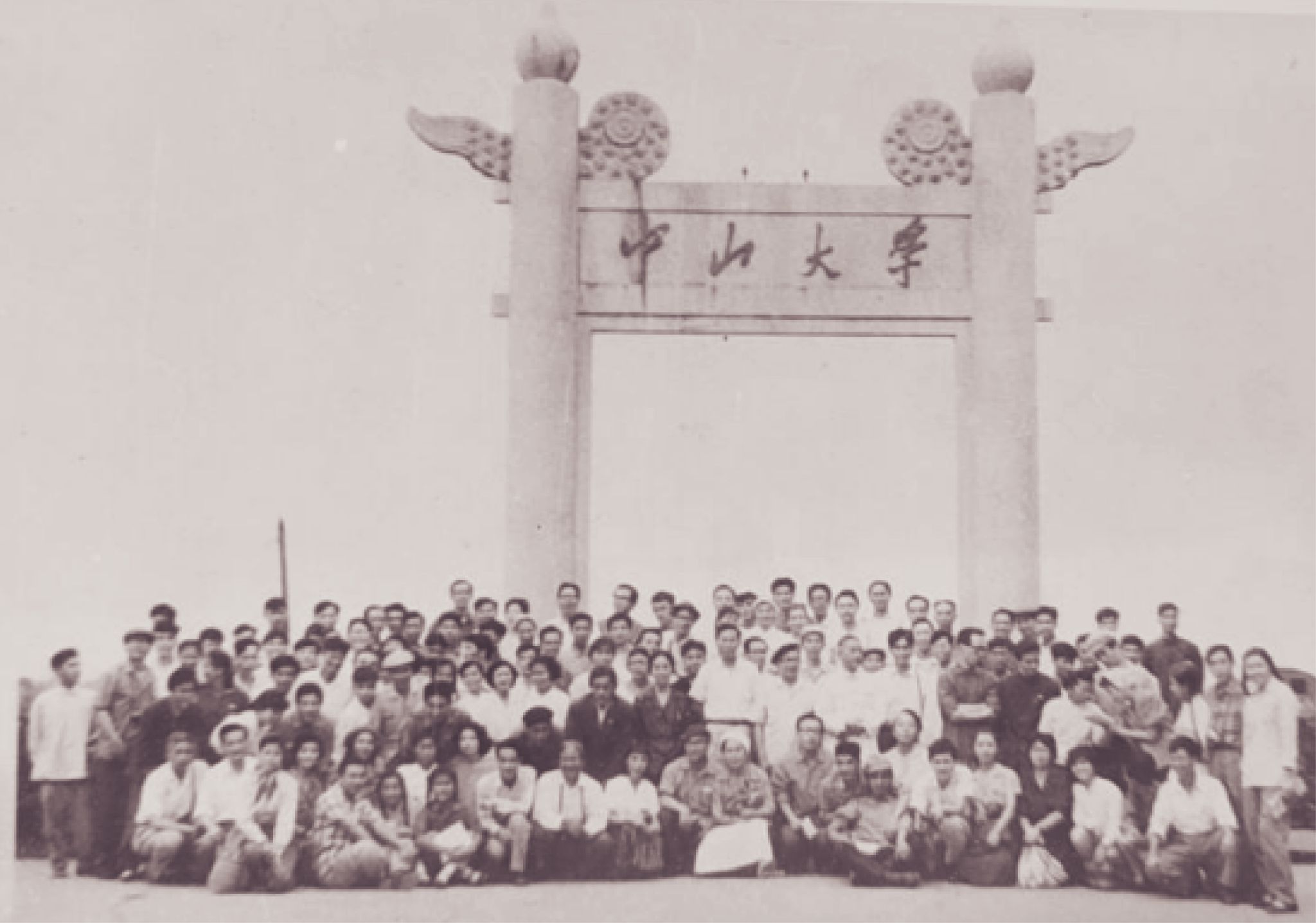
In October 1949, the Communist Party of China took over SYSU in advance of the liberation of Guangzhou. The new SYSU, reforming itself in organizational structure, educational philosophy, system and goals, evolved into a new institution that served for socialist construction with a devotion to people’s welfare.
SECTION 02
Coordinated research
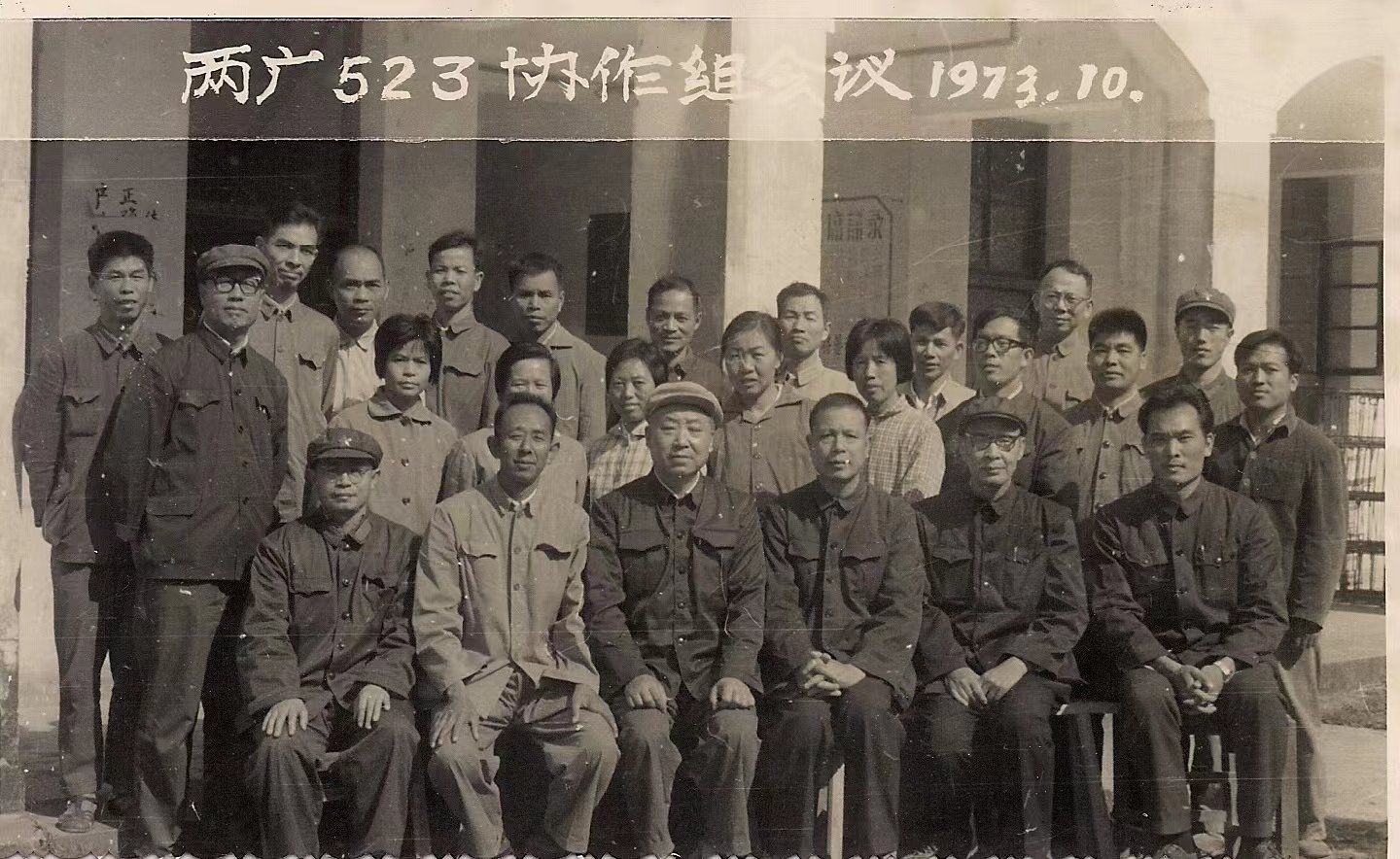
After the founding of the People’s Republic of China in 1949, the government established a scientific research system that features the Chinese Academy of Sciences, colleges and universities, and central and local research institutions in industrial sectors. The new era of nationally coordinated research is characterized by a renewed focus on basic theories, cutting-edge technologies, and important issues concerning national defense and economic development.
SECTION 03
Education and research for the society
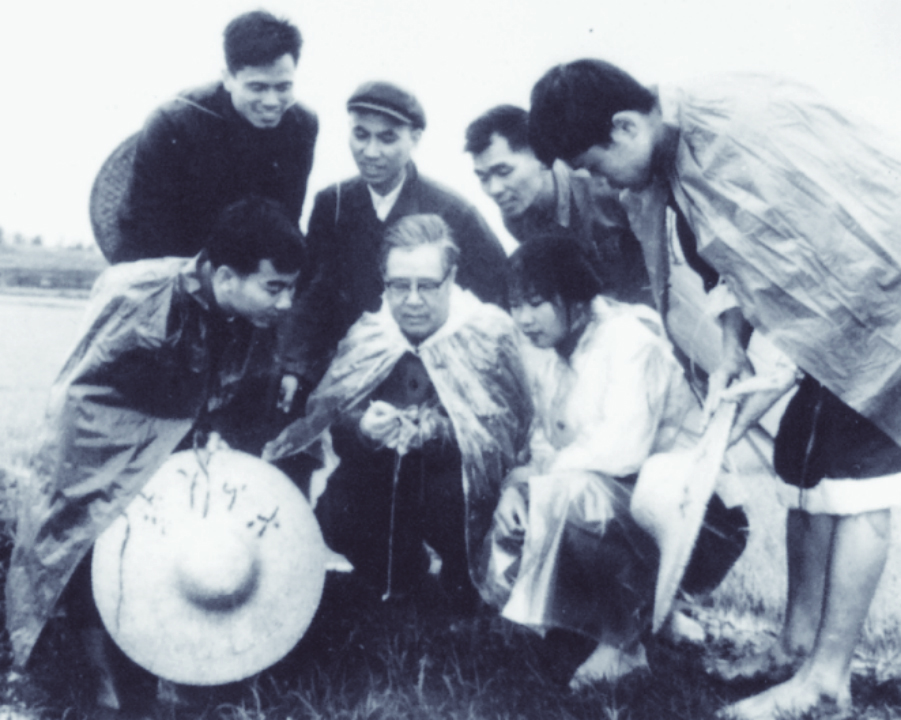
The new spirit of the “People’s New Sun Yat-sen University” lies in its commitment to teaching, learning, and research, and to the cause of serving the people and building the country. Education and research for the society provided new impetus for teachers and students to discover and resolve problems in real life by applying theory to practice.
SECTION 04
Safeguarding people’s health
In the 1950s, healthcare workforce shortage posed a challenge to public health throughout the country. Medical educational institutions were in a weak condition. The subtropical Guangdong endured outbreaks of epidemic diseases, while medical personnel and medicine were in short supply. The State was committed to bringing healthcare to rural communities, and building medical schools to serve the people. Such commitments translated into major educational and research endeavors at South China Medical College, Guangzhou Medical College and Zhongshan Medical College during that time.
SECTION 05
Educational revolution
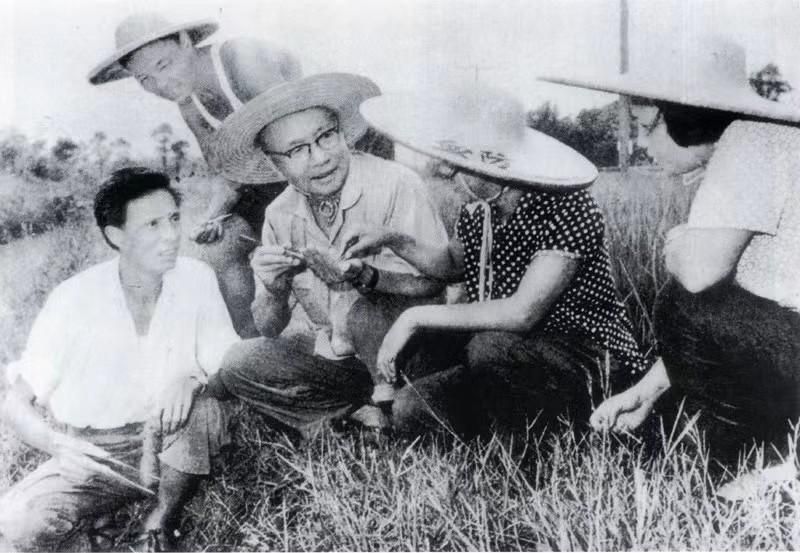
“Educational revolution” is an important topic in modern Chinese education reforms. LU Feikui, HSU Chung-ching, GU Mei, CHUNG Wing-kwong and other famous educators in the 20th century have emphasized the importance of educational revolution. In the mid-late 1950s, SYSU actively participated in such reforms, following the guideline of combining education practice with theory. In the 1960s and 1970s when China experienced political instability, SYSU, like other colleges and universities in China, struggled to explore new ways of educational revolution.

{ CHAPTER 3 }
Embracing new opportunities
-
[ SECTION 01 ]
Standing at the forefront of the times
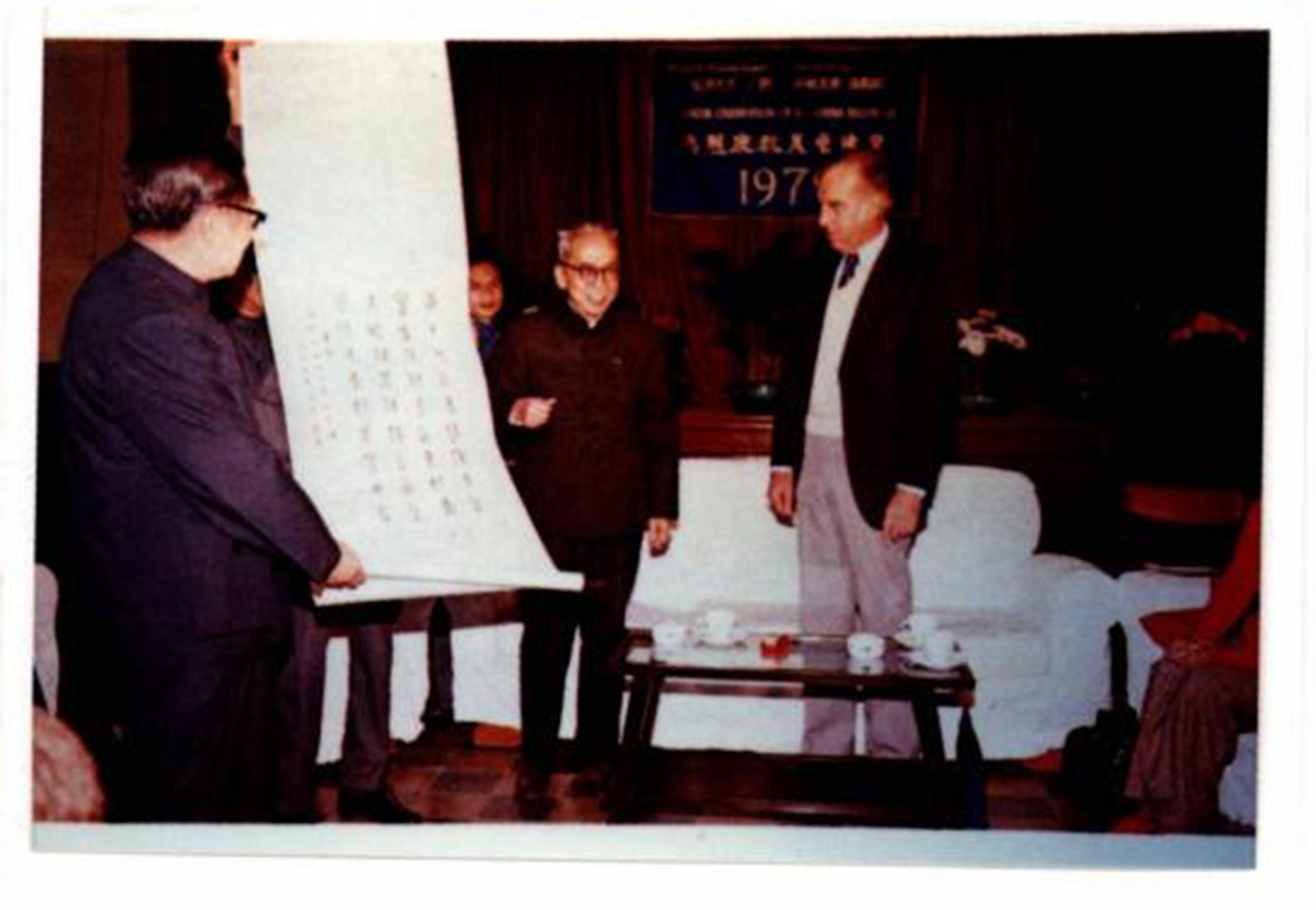
To further improve the research capacities and academic standings of its universities, the State encouraged key universities to develop themselves into centers for “teaching and research”. Taking advantage of its location in South China, SYSU became a trailblazer in international academic exchanges, reshuffling of disciplines, and quality enhancement of teaching and research.
More details -
[ SECTION 02 ]
Disciplinary reshuffle and the new Graduate School
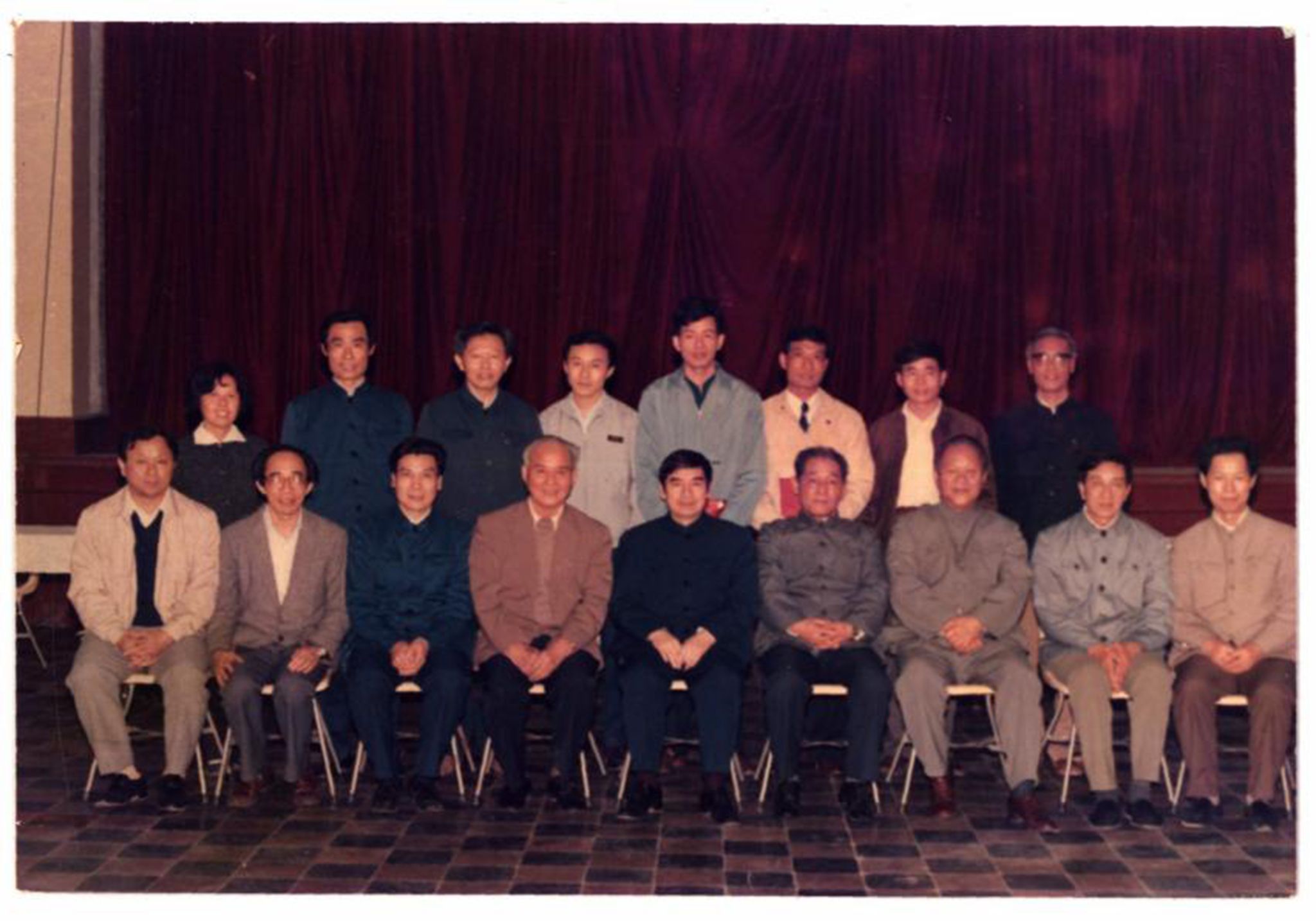
In the 1980s, SYSU was the first to restore a batch of majors of liberal arts, create a brand-new set of practical majors, as well as reforming the old ones. To adapt to new trends in graduate education, the Graduate School was founded on the basis of its relatively complete discipline system.
More details -
[ SECTION 03 ]
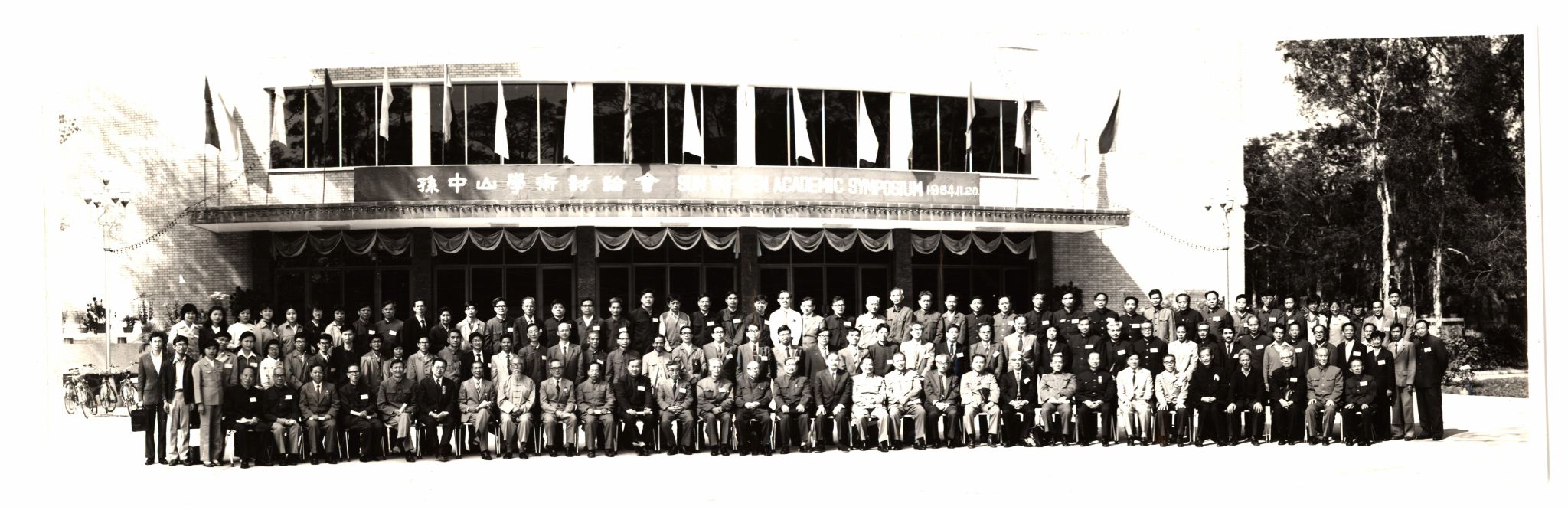
Forging ahead to be a world-class university
Since the reform and opening-up, SYSU has built on its academic traditions and geographic advantages, to establish a new batch of cutting-edge research institutions, which enhance its academic heritage. They support the University’s transformation from a center of “teaching” to a center of “teaching and research”.
More details -

[ SECTION 04 ]
Renewed vigour
As a result of the reform and opening-up, the 1980s saw SYSU imbued with youthful energy. Students were eager to learn and think, and remained resilient and articulate. They pursued knowledge, devoted themselves to the country, cared for the society and supported reform and opening-up.
More details -
[ SECTION 05 ]
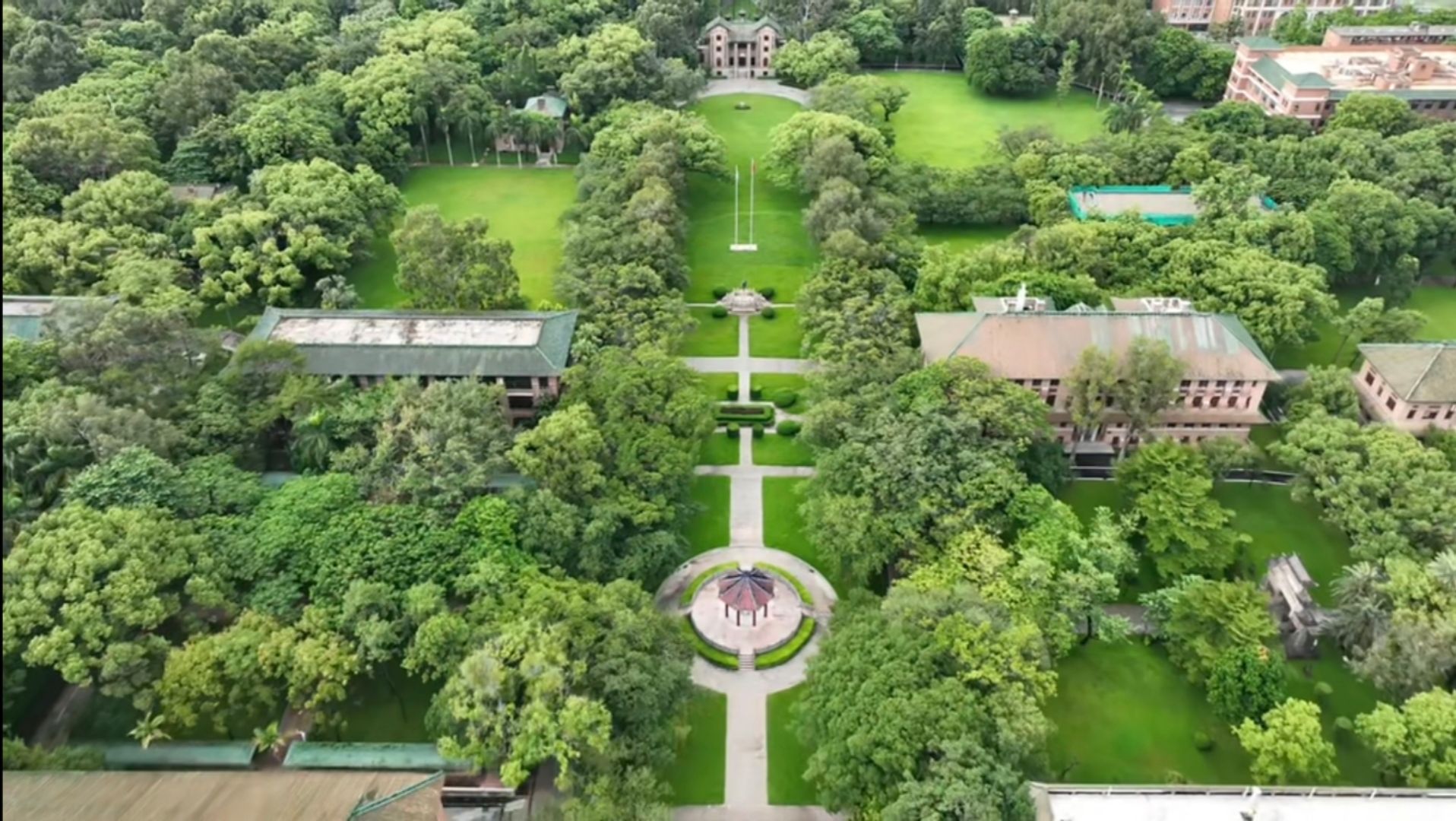
Breaking new grounds in the 21st century
Since the new century, with the support of the central and local governments, SYSU has been included in the “211 Project” and the “985 Project”; in 2001, it merged with SYSU of Medical Sciences to form the new SYSU; support and guidance from Guangdong Province and the Ministry of Education lay the foundations of turning SYSU into a world-class research university. The University also opened new campuses in Zhuhai, Panyu District of Guangzhou, and Shenzhen, which enhanced the development of the entire University, and contributed to the development of the Guangdong-Hong Kong-Macao Greater Bay Area.
More details


{ CHAPTER 4 }
Exploring the unknown
-

SECTION 01
Explorations into the space and the sea
To support the national efforts of building a strong space presence and a maritime power, SYSU strives to develop cutting-edge disciplines in astronautics and marine sciences, and provide pillar technologies for China’s space and ocean explorations.
More details -
SECTION 02
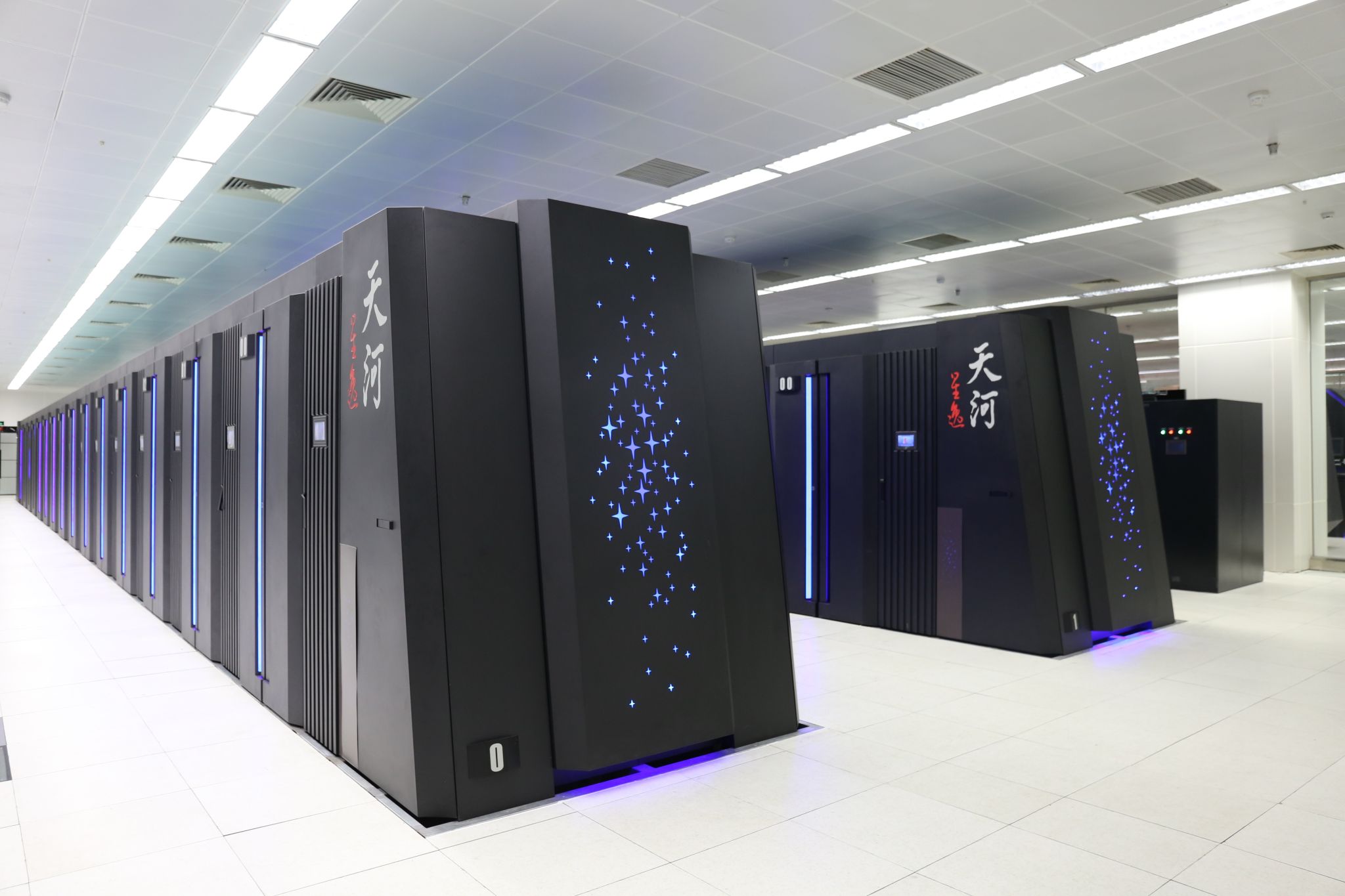
Major research platforms
With whole country as its stronghold and by keeping abreast of the latest developments in the world and taking the advantages of its competitive disciplines, SYSU has built a series of major research platforms and facilities to meet the strategic needs of the State and to serve regional development.
More details -
SECTION 03
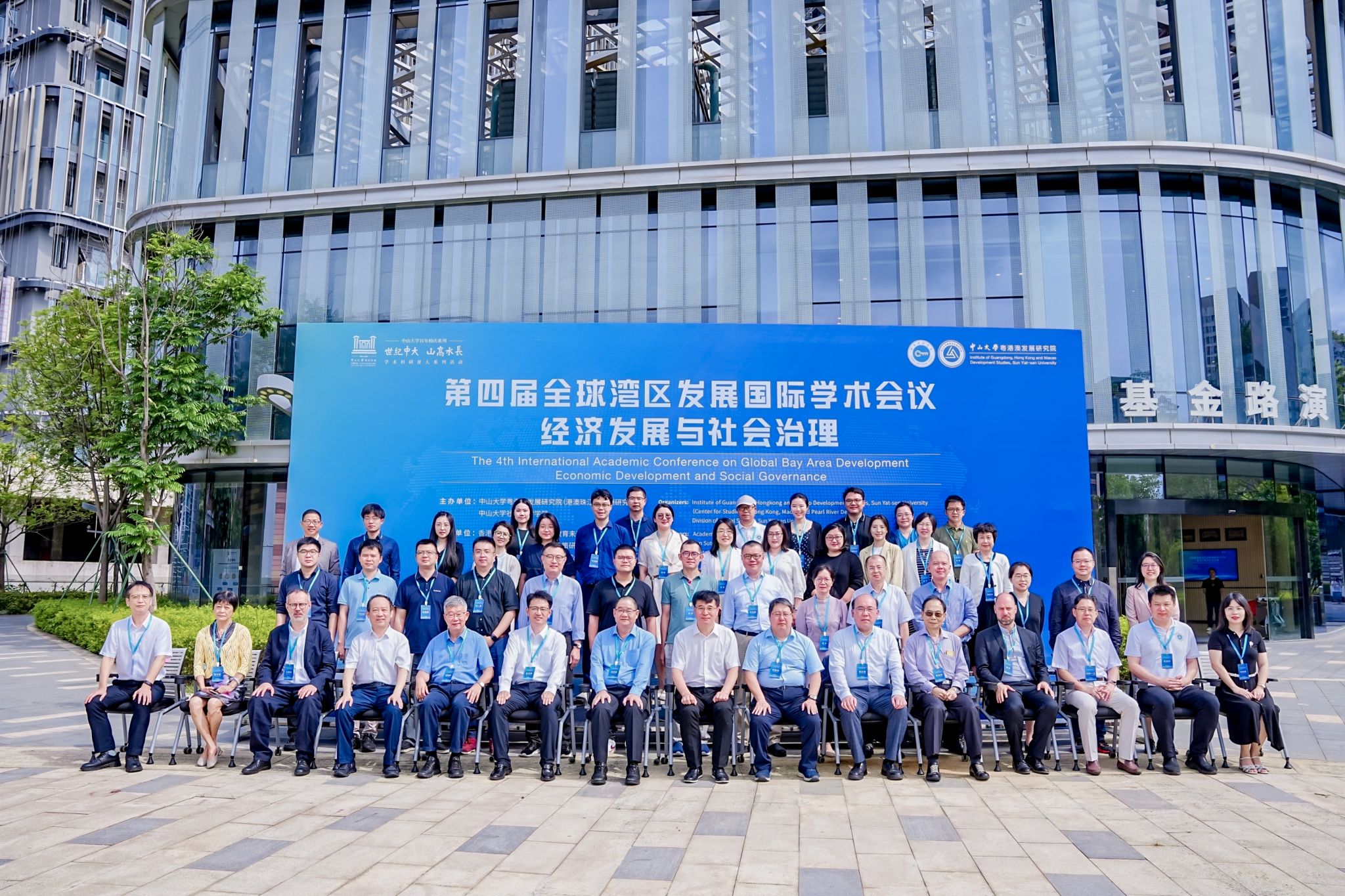
Carving out its role in the Greater Bay Area
The plan to develop the Guangdong-Hong Kong-Macao Greater Bay Area brings a lot of opportunities for SYSU’s development. Since the 2000s, it has extended its campuses and institutes in Guangzhou, Zhuhai, Shenzhen, and Hong Kong within this area. Standing at the forefront of science and technology in the world, it has made breakthroughs in many key fields, aiming to build a green, healthy, digitalized, and prosperous Greater Bay Area and deliver a better life.
More details -
SECTION 04
Soaring to new horizons
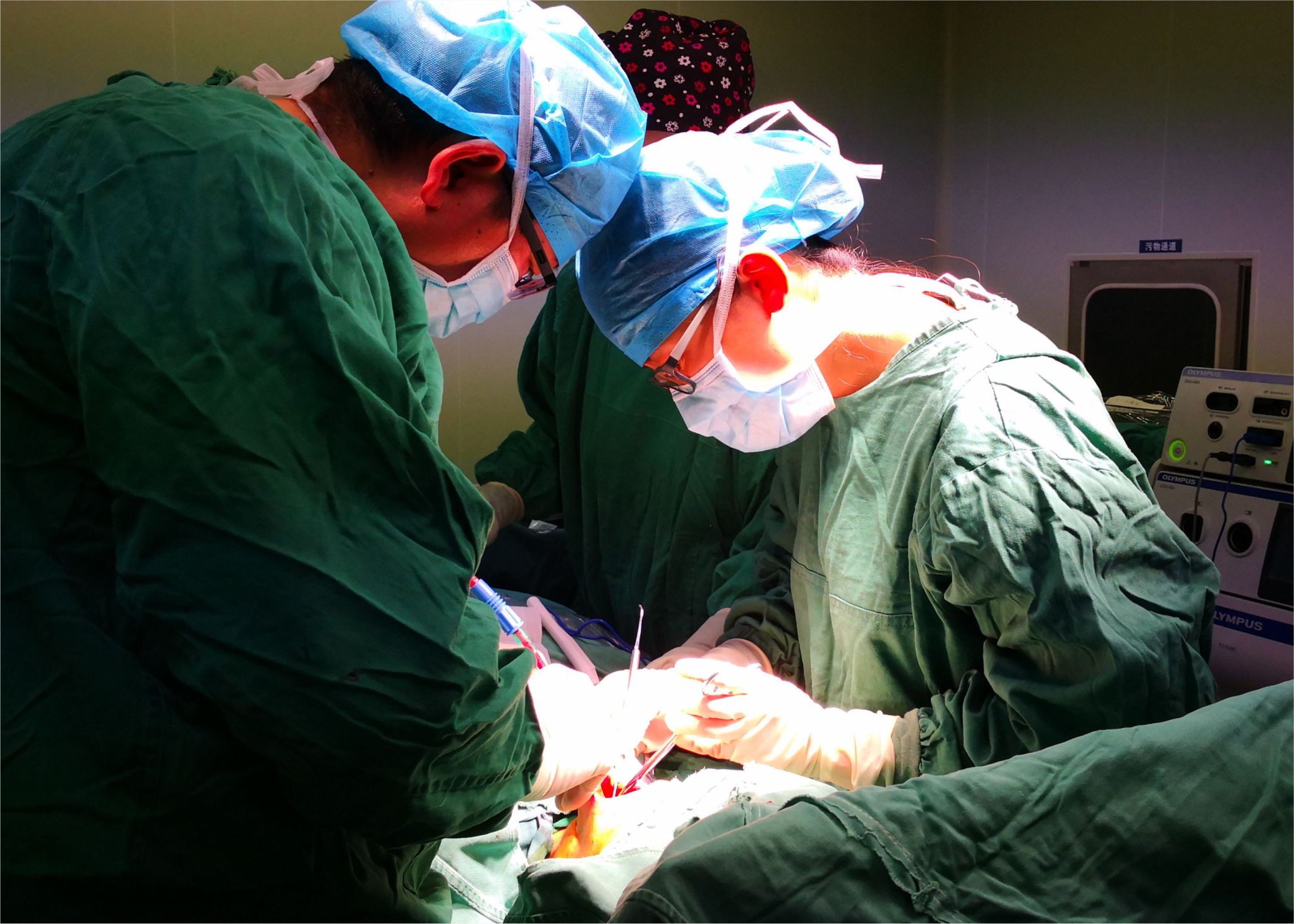
Education is always the primary mission of a university. Over the past century, SYSU has produced millions of graduates, who have contributed to the cause of national independence and rejuvenation, and the improvement of people’s livelihood. In the new era, it will continue to enhance educational and research efforts and play a key role in furthering China’s modernization, in the Healthy China Initiative, in its rural revitalization, and in the development of its western region, in the Belt and Road Initiative, in advanced manufacturing, in the “deep space, deep sea, deep earth, and deep blue” strategy, and in the field of liberal arts and sciences. SYSU looks to write a new chapter in technology exploration and talent development in the domains.
More details